Our primary interest is in understanding fundamental chromatin mechanisms governing mammalian reproduction and development. Our research program combines cutting-edge genomics approaches with classical developmental biology to understand how chromatin modifications, transcriptional regulation, and epigenetic inheritance shape reproductive success across generations.
We are particularly interested in how germ line chromatin shapes evolutionary innovations in mammalian gene regulation and developmental biology, as well as human-specific aspects of reproductive biology that may contribute to fertility disorders. We are actively working on the role of bivalent chromatin, a specialized epigenetic state associated with pluripotency and transcriptional poising of developmental genes, in this process.
1. Chromatin regulatory mechanisms in spermatogenesis
PMID: 37082969
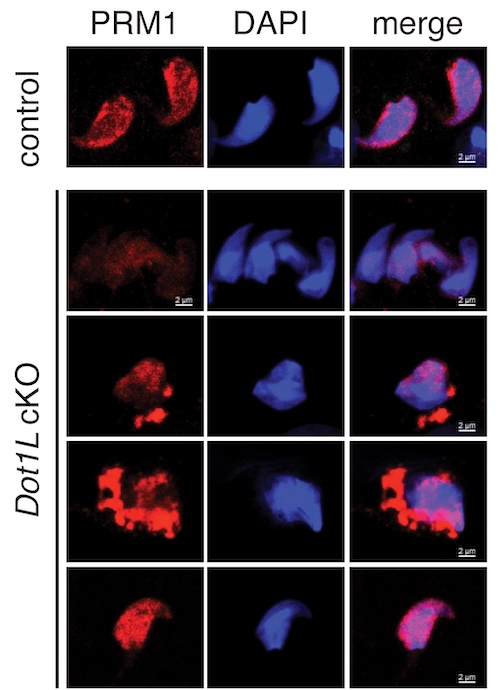
Our laboratory has made significant contributions to understanding how chromatin factors regulate key transitions in spermatogenesis such as meiotic recombination and histone-to-protamine replacement at the molecular level. In addition, because chromatin undergoes extreme physical transitions during normal spermatogenic development, many regulatory mechanisms are uniquely active in germ cells in a healthy organism but reactivated in disease settings such as cancer. By studying chromatin regulation in germ cells, we hope elucidate new approaches to male infertility as well as somatic disease. We use cutting-edge molecular genomic tools, including small-scale epigenomic profiling and dCas9-based epigenome editing, to achieve these goals.
PMID: 30963999
2. Inter- and transgenerational epigenetic inheritance
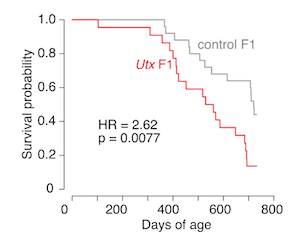
We are also interested in mechanisms controlling intergenerational epigenetic inheritance in mammals. We use a genetic model for intergenerational epigenetic inheritance of cancer risk to robustly investigate molecular mechanisms. We are also investigating the reprogramming mechanisms that convert gamete to zygotic chromatin at fertilization, the role of protamines in this process, and the extent to which these mechanisms preserve epigenetic information from the parental germ line. In the long term, we hope to understand how genetically-encoded factors such as histone modifiers gate environmental influences on inheritance.
3. Role of germline chromatin state in shaping mammalian evolution
PMID: 39536760
We previously found that bivalent chromatin is enriched at somatic developmental genes in the germ line and that it is evolutionarily dynamic, evolving in conjunction with somatic developmental function. We are very interested in the molecular and evolutionary forces that drive divergence of bivalency, and in the consequences for evolution of somatic development. Our comparative genomics work has also uncovered evolutionary innovations in germline biology specific to placental mammals. Ultimately, we aim to elucidate how the constraints of reproduction and gamete development shape the evolutionary landscape in mammals.
Our research directions are broad, yet interconnected. In combination, we aim to advance both fundamental knowledge of reproductive biology and translational applications for human fertility and health.